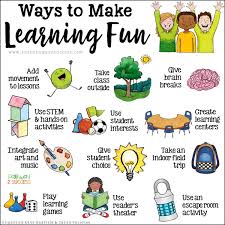
Classroom teaching doesn’t have to be monotonous. By incorporating engaging and interactive techniques, educators can create a fun and dynamic learning environment that captures students’ attention and makes lessons memorable. Here are some strategies to make classroom teaching enjoyable:
1. Incorporate Gamification
a. Learning Games:
Introduce games like quizzes, puzzles, or scavenger hunts related to the subject matter.
b. Reward Systems:
Offer points, badges, or small prizes for participation and achievement.
2. Use Interactive Technology
a. Smart Boards:
Leverage interactive whiteboards for visual and tactile learning.
b. Educational Apps and Tools:
Incorporate apps and platforms that make learning more interactive and fun, like Kahoot, Quizizz, or Edmodo.
c. Virtual Reality:
Use VR to transport students to historical places, scientific labs, or other engaging virtual environments.
3. Encourage Creative Expression
a. Art and Crafts:
Integrate art projects to explain concepts in subjects like science, math, or social studies.
b. Storytelling:
Encourage students to create and share stories related to lessons.
4. Make Lessons Relatable
a. Real-Life Examples:
Use everyday scenarios to explain complex topics, such as using shopping to teach math.
b. Field Trips:
Organize visits to museums, factories, or nature parks to connect theory with practice.
5. Encourage Collaboration
a. Group Projects:
Promote teamwork by assigning tasks that require students to collaborate and solve problems together.
b. Peer Teaching:
Allow students to teach each other in pairs or small groups, which reinforces their understanding.
6. Integrate Music and Movement
a. Songs and Rhymes:
Use music to teach subjects like math tables, grammar rules, or historical events.
b. Physical Activities:
Incorporate movement through role-playing, charades, or physical exercises linked to the lesson.
7. Foster a Positive Environment
a. Celebrate Achievements:
Recognize and reward students for their efforts, no matter how small.
b. Build Trust:
Create a supportive atmosphere where students feel valued and safe to express their ideas.
8. Experiment with Teaching Styles
a. Flipped Classroom:
Assign pre-class activities and use classroom time for interactive discussions and problem-solving.
b. Role-Playing:
Let students take on characters or scenarios to explore historical events, literature, or scientific concepts.
Conclusion
Turning classroom teaching into a fun experience enhances student engagement and makes learning more effective. By blending creativity, technology, and interactive activities, educators can foster a love for learning and inspire curiosity in students.
For more innovative teaching strategies, visit SBHub Online.